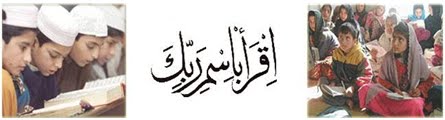

A recent editorial in this paper has referred to the observation of a cleric, Mufti Sarfraz Naeemi, protesting against the unfairness of a situation in which the actions of a small minority give a bad name to Islam and the madrassa system of education that goes back centuries.
In the Mufti's view, it is a system that retains the capability of interfacing with the modern world. He makes the point that most madrassas, including the institution that he heads, are not training grounds for terrorists. And that if there are exceptions to the general rule, with some preaching violence or providing training in arms, it is the obligation of the government to find them and take appropriate action against the offenders.
There is much that is valid in what Mufti Naeemi has to say. The law of the land should be applied to any individual or institution that through what it propagates makes other citizens objects of hatred or encourages militancy and violence against them. The madrassa in this sense obviously cannot be an exception to the rule.
There is another dimension to the problem. Public sector schools may not be promoting sectarianism but they certainly appear to be doing very little to counter this menace. There is very little in the direction set by the curriculum, the textbooks provided to the schools (free but with the quality of the content leaving much to be desired) or the orientation and training of teachers that is geared to countering the message of hate and intolerance. This has to change even as a serious effort is instituted for madrassa reform.
In the Mufti's view, it is a system that retains the capability of interfacing with the modern world. He makes the point that most madrassas, including the institution that he heads, are not training grounds for terrorists. And that if there are exceptions to the general rule, with some preaching violence or providing training in arms, it is the obligation of the government to find them and take appropriate action against the offenders.
There is much that is valid in what Mufti Naeemi has to say. The law of the land should be applied to any individual or institution that through what it propagates makes other citizens objects of hatred or encourages militancy and violence against them. The madrassa in this sense obviously cannot be an exception to the rule.
There is another dimension to the problem. Public sector schools may not be promoting sectarianism but they certainly appear to be doing very little to counter this menace. There is very little in the direction set by the curriculum, the textbooks provided to the schools (free but with the quality of the content leaving much to be desired) or the orientation and training of teachers that is geared to countering the message of hate and intolerance. This has to change even as a serious effort is instituted for madrassa reform.


 Posts
Posts


